Showing posts with label Comparison. Show all posts

Wednesday, January 21, 2015

Instant Pot IP-DUO60 vs Instant Pot IP-LUX60

Instant Pot IP-DUO60 vs Instant Pot IP-LUX60

Price:
  • Instant Pot IP-DUO60: The Instant Pot IP-DUO60 will end up costing you $20 or so more than the IP-LUX60 Model. For that $20 though, you will be receiving a third generation Instant Pot in comparison to the second generation IP-LUX60.
  • Instant Pot IP-LUX60: Save money by purchasing the Instant Pot IP-LUX60. You'll end up missing out on a few nifty features like an improved control panel and new safety features, but all the functions that make the Instant Pot great are still present. If all you need is an electronic pressure cooker, strongly consider the more inexpensive model.
Unique Features:
  • Instant Pot IP-DUO60: Improved Control Panel. Layout of the IP-DUO60 Control Panel is far less cluttered and everything seems much clearer to understand.  Extra Safety Features. The Instant Pot Company has added even more safety features to draw the accident rate down to as close to as possible to statistically impossible.
  • Instant Pot IP-LUX60: In all honesty, the IP-LUX60 Model has only been improved upon by the IP-LUX60. Everything present in this version of the Instant Pot has been improved upon in the IP-DUO60 Model.
Best for Whom:
  • Instant Pot IP-DUO60: 1. Those Wanting the Best. As of 2015, the Instant Pot IP-DUO60 is the best electric pressure cooker on the market. 2. Simplification Lovers. The new control panel on the IP-DUO60 makes far more intuitive sense. 3. Concerned about Safety. The Instant Pot is the gold standard in pressure cooking safety, and the IP-DUO60 has improved its features once again.
  • Instant Pot IP-LUX60: 1. Price Conscious. Even though a few features will be lost with the LUX-60 Model, the $20 difference is worth considering. 2. Lovers of Proven Classics. Thousands upon thousands of happy customers own an Instant Pot IP-LUX60, few ever report any sort of problem with their pressure cooker.
Overall:
  • Both Models of the Instant Pot are fantastic products, you can't go wrong with either one. If you're willing to pay $20 more, you may as well make the upgrade to the Instant Pot-IPDUO60 in order to get the nice new extra features. For those of you just wanting a quality electric pressure cooker for one low price, go with the Instant Pot-IPLUX60 as all of the core features will be present, and you'll save a bit of cash with your decision.

Pros and Cons Instant Pot IP-DUO60

Pros:

  • Control Panel. Make the cooking process even easier, but also find a few new cooking features for the adventurous cooks out there.
  • Safety. The Instant Pot IP-DUO60 has a few extra safety features to make the risk of accident near impossible.
  • Third Generation Model. Instant Pot's latest pressure cooker has improved in every way over its Second Generation predecessor.
Cons
  • Extra Cost. To get this upgraded model, expect to pay $20 more.
Pros and Cons of Instant Pot IP-LUX60

Pros:

  • Proven Design. The Instant Pot-LUX60 is nothing to sneeze at. More than enough happy buyers will eagerly share their love of the Instant Pot DUO60 with you.
  • Price. Save a bit of money by choosing to go with the Instant Pot IP-DUO60.
Cons:
  • Lacks a Few Features. Notably the old style design and the lack of the new safety components are what separate the two models.
  • Cooking Options More Limited. The Instant Pot-DUO60 offers a few extra cooking programs. Albeit, the most significant new program is the 'Yogurt' function, which is unappealing to vegans (any soy yogurt recipes out there?).

Wednesday, January 7, 2015

Top Ten Green Tea Bags by Brand Review

Top Ten Green Tea Bags by Brand Review


Green tea lovers are always looking for the perfect cup of tea. As such, we're always eager to experiment with different brands to find what meets our own individual tastes. Many tea elitists will sneer at the idea of a good tasting green tea made from a tea bag, but the flavor and quality of green tea sold commercially has never been better. 

Below I will rank the top ten green tea bags by brand. It must be said, anything will have its pros and its cons. Thankfully enough, most of these teas can be purchased as your local grocery store, but I will provide links to Amazon.com for each brand. Test the teas out yourself and comment below if you agree or disagree with my conclusions.


  • Are you looking for a high-quality tea that can be purchased in bulk? Look no further, the Kirkland Signature Ito En Green Tea will satisfy just about any tea lover. Kirkland (Ito En) has provided a real pleasure here, customers are not being sold a second-rate product labeled in the broad catch all term 'Green Tea'. 
Pros:
  • Won't Get Bitter. I definitely prefer teas that can stay fresh rather than go bitter if they are steeped only a little too long. 
  • Quality Bag. Everything about this tea bag is well-made, a real pleasure to know everything was designed to make the tea drinker happy.
  • Matcha Blend. Know anyone hooked on matcha tea? Now you can please the matcha desire with the convenience and cost savings of tea bags.
  • Fresh Taste. So authentic tasting that even native Asians will likely be pleased by the flavor of this tea.
  • High Quality Tea. If you want to drink high quality tea from green tea leaves that aren't residue, then rest confident in what Ito En is offering here.
Cons:
  • Price. To get this quality, you will have to pay for it. From Amazon, it will cost you nearly $20 for this green tea. When shopping at Costco, it will cost only $13 or so.
  • Not Organic. Many of the lower priced teas listed here are organic, but Kirkland is not offering an organic product here.

  • Gunpowder Green Tea is one of the most interesting developments in the world of tea. Packing tea together in tight shot makes for flavorful tea that preserves and releases flavor to a remarkable degree. 
Pros:
  • Jasmine Flavor. While I think Green Tea should stand by itself, jasmine is a light addition that does not at all compete with the tea flavor.
  • Excellent Tea Flavor. Gunpowder Green Tea really comes ahead in translating the deliciousness that should accompany all tea.
  • Not Bitter. Has a remarkable ability at not turning bitter on you
Cons:
  • Price. Not as good as a deal of the bulk 100 tea bag sets. You won't be breaking the bank to afford this tea as you would with some gunpowder green varieties, but you may want to look into bulk tea for everyday needs if you are a caffeine fiend like I am.
  • Be Sure You Can Drink Jasmine Tea. My sister refused to drink jasmine flavored tea because she didn't care for the smell of jasmine being associated with food.

  • I would recommend Uncle Lee's Organic Green Tea as a standard daily tea for many tea drinkers out there. Based upon my research, Uncle Lee's can deliver you the absolute best bang for the buck. 
Pros:
  • Price Savings. Amazon has a great deal for Uncle Lee's Tea, but Walmart offers an even better deal at less than $5 per box of 100 tea bags.
  • Mildness. Hard to ever get a bitter cup of tea. If you steep for more than five minutes, then the bottom of the cup will be full of bitter water.
  • Packaging. I really do enjoy the nifty little paper packages these tea bags come in. Some say paper will cause the flavor of the tea to be lost, I somewhat doubt it.
Cons:
  • Lacking in Strong Flavor. To get a true caffeine push, you will likely need two teabags per cup.
  • Not Robust. You will get a one-tone flavor here, nothing gourmet. It reminds me of tea served at Chinese restaurants (which is fine by me).
  • So many folks love the Yogi series of Green Teas. Why is that? Well, Yogi offers teas paired with all sorts of complimentary flavors. Ultimately, it all comes down to the flavor of the green tea itself. Thankfully, Yogi is offering a nice flavored green tea. Think of it as a basic comfort food with nice spice and sauce combos added to enhance the original flavor of the dish.
Pros:
  • Quality Flavors. All sorts of interesting combos paired with Yogi, blueberry is the most popular and most unique flavor combo.
  • Relax. Yogi seems dedicated to marketing their teas as health boosting and relaxing products, rather than pure energy boosters.
  • Coffee Lovers. Are you hooked on coffee or know anyone who is? Yogi teas seem to have a great success in weaning coffee drinkers off the beans and to the more healthy tea leaves.
Cons:
  • Flavored. All Yogi Teas seem to come with some kind of flavoring or another. It is entirely possible you may not want your tea tasting like blueberry or mint.
  • Expect to Pay $1 More Per Box. Compared even to the slightly pricey Tazo, I always notice Yogi as being one of the more expensive teas on store shelves.

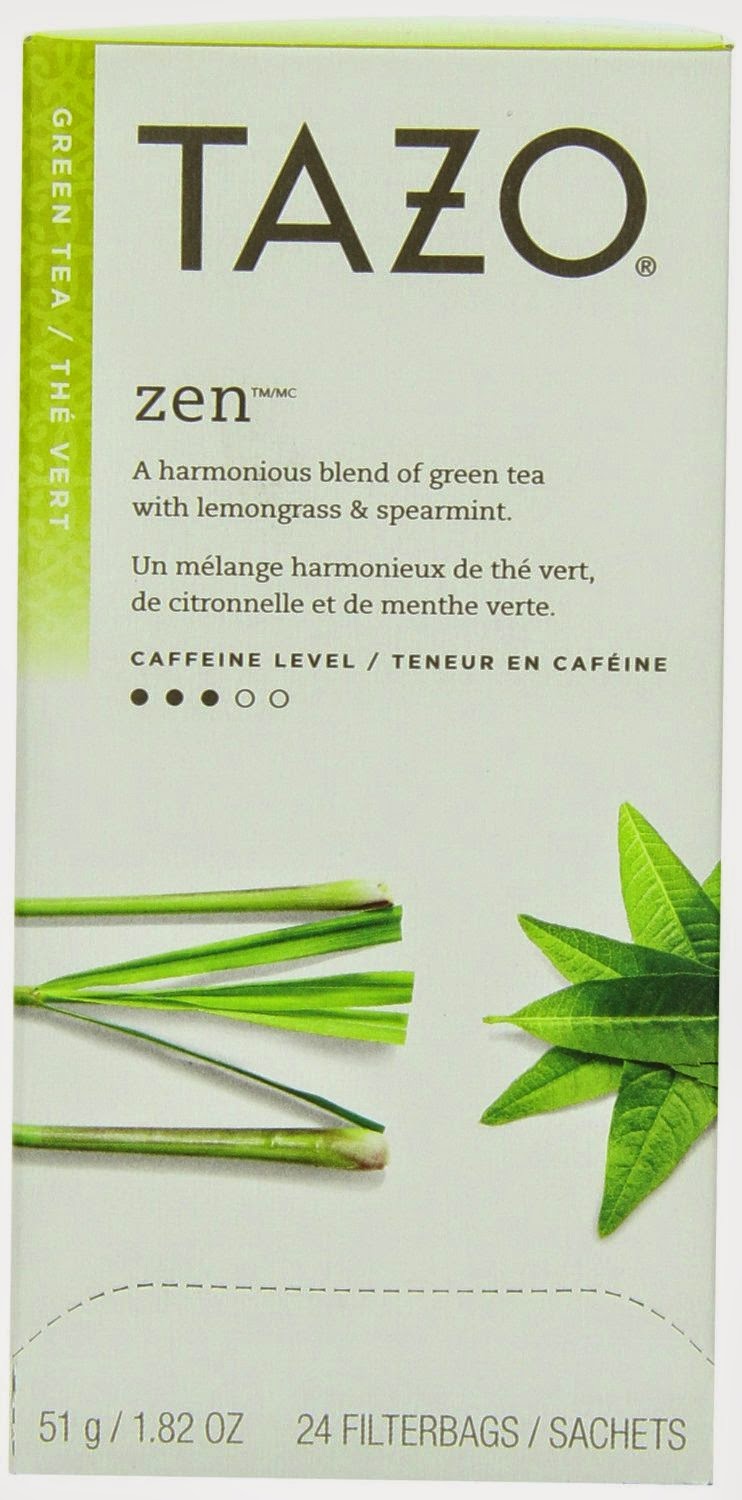
  • Tazo Tea fills a market American Tea Drinkers are desperate to see filled. On the one hand, we like the convenience and price savings of tea bags. On the other hand, we would like something that just feels more authentic than a bleached white blag that smells faintly earthy. Box art design of Tazo Tea always catches my eye as I walk down the tea aisle at my store. Presentation is half the battle, taste and price are the other half though.
Pros:
  • Calming. While you will get a caffeine boost from drinking this tea, it also seems to offer a peace of mind somehow.
  • Quality Tea Leaves. Tazo tastes nice, apparently the company uses quality tea leaves in preparing their tea bags.
  • Tazo Seems to Care. It is weird to say a mass market tea is 'artisan' or anything like that, but Tazo products actually feel artistic and local.
Cons:
  • Above-Average Taste, but Not Superb. While the taste is nice, I would not call it the best tasting tea you can possibly get.
  • Price Point. Not the best deal out there, but not terribly more expensive than better bargains.
  • There has to be at least one Japanese Green Tea on this list. True, Kirkland is actually a Japanese Green Tea, but it passes itself off as a mass market American tea. Imported Japanese Teas are somewhat of a novelty here. Unfortunately, just because it is Japanese does not mean it is superb quality.
Pros:
  • Japanese. Amaze your friends with the idea of 'Japanese Tea'. If you have any friends who love Japanese culture, these tea bags make for a fun little gift.
  • Mostly Good. Nothing about this tea disappoints me. While I am not blown away by it, I would be fine drinking this as a daily tea.
  • Pure Tea. No additives, straight from the Asian heartland. If you want an unadulterated taste, this will make a fine choice.
Cons:
  • Mediocre Flavor. While some rave, I say, 'So What?'. Honestly, this tea is not going to knock you down on your butt it tastes so good. Really it is just Plain Jane Tea in my opinion.
  • Some Japanese Tea Lovers Will Dislike It. At times it can seem like all tea is this way, but some people in the know of 'true tea' will be angered at the idea of this being considered top of the line stuff.

  • If you're looking for a middle of the road green tea, Stash best fits the description. Honestly, it is noticeably inferior compared to the Kirkland Green Tea, but only slightly better than the Lipton Green Tea. Now, the reason I am judging Stash so harshly is that it calls itself 'Premium', but I find it to be only average.
Pros:
  • Available At Most Supermarkets. I can spot Stash Tea on the shelves of just about any supermarket in America. 
  • Fine as a Daily Tea. There is nothing about Stash that should disqualify it from being a daily tea.
  • Organic. Will meet the needs of anyone looking to just drink organic tea due to health or ecological concerns.
Cons:
  • Okay, but Not Great. Nothing Stash Tea seems all that 'Premium' to me. In fact, the flavor of Stash is so mild I was somewhat surprised.
  • Can Turn Bitter. Be careful on those steeping times. Stash Tea can be slightly forgiving, but you should err on the side of caution with these teas while they steep.

  • Bulk teas are always worth looking into. Spending a fortune each week for tea is not possible for many of us. With that said, there often is tradeoff between flavor and cost savings. Prince of Peace offers one of the most affordable teas from Amazon.com, but doesn't earn the award as the most favorable unfortunately.
Pros:
  • Price Point. Amazon will deliver this tea right to your doorstep for less than $8.
  • Mild. If you want warm water with a hint of flavor, and a slight caffeine boost, the Prince of Peace Tea will get the job done.
 Cons:
  • Weak Flavor. Some call it mild, others call it weak. Expect to double up on tea bags if you like your green tea to taste like something.
  • Bag Quality. Not that great of quality, a real disappointment.
  • If there was ever such a thing as a completely average green tea, it would be Lipton. Considering that average green teas cost close enough to the same price as good green teas, there is no real point in spending your money here. Nonetheless, Lipton has a devoted following and produces on an economy of scale for a reason.

Pros:
  • Convenient. You're able to find Lipton tea just about anywhere.
  • Average Flavor. Drinkable, but don't expect to fall in love with the brand.
  • Cost Savings. 100 Bags for less $7 is a decent deal.
Cons: 
  • Bitter if Steeped Too Long. You really will have to time the steeping time, no more than a minute and a half should be used for this brand.
  • Better Stuff Out There. Don't make this your go to tea. 

  • Perhaps I just have come across a bad batch, but Bigelow really disappointed me. Now, I was not expecting a world class cup of tea from Bigelow, but the flavor was really off putting. It may just be that I enjoy steeping my teas a little longer than some, still though, something about Bigelow just didn't work with me.
Pros:
  • Availability. I see Bigelow at every grocery store I go to, can always be at hand no matter where you are in the US.
  • Some Enjoy Bigelow. Many report liking Bigelow, perhaps it is for some and not others.
Cons:
  • Steeping Time. I could never figure out the sweet spot for steeping time with Bigelow, it always had a bitter and strange flavor when I tasted it.
  • Packaging. Four tea bags come in one foil wrapper, this is annoying if you only want to use one or two tea bags at a time.
Conclusion

We live in a blessed age to have such great diversity in our tea selections. Even better, most of these teas are dirt cheap, allowing us to drink delicious caffeinated tea for only a few pennies a day. Unfortunately, quality really does differ between green tea brands. If you are ever turned off by a green tea flavor, try another. My own experience with Bigelow Tea was a bad one, but I turned to other brands and was overjoyed with their quality.

Look into Kirkland Signature Ito En Green Tea if you are wanting the highest quality green tea bags that can be bought at a reliable price. For even those new to green tea, head off to the local grocery store and buy a few different brands to try. You can't go wrong drinking green tea, it is affordable, healthful, and a pleasure to drink.

Tuesday, January 6, 2015

Best Brewers Yeast: 4 Product Comparison

Best Brewers Yeast: 4 Product Comparison

Brewers Yeast is a niche product little known to the larger American populace. As the name implies, the stuff is actually yeast, not being all too different from the stuff you buy from the store to make bread. What makes Brewers Yeast so unique is that it is a health food derived from the beer brewing process. Fun fact, nursing mothers often consume Brewers Yeast to increase lactation.

To use Brewers Yeast, just add a few tablespoons to your baked goods. Your food will end up tasting a tad bit more nutty, but otherwise the flavor of Brewers Yeast is quite mild. Vegans out there like to experiment with Brewers Yeast as a form of cheese substitute, much like its oft confused cousin, nutritional yeast.

Below are ranked the 4 Best Brewers Yeast currently on the market. No product is perfect, and each one has its own pros and cons.


1. Twinlabs Brewers Yeast

Pros:
  • Best Bang for Your Buck. 18 oz of Brewers Yeast for a little more than $12. 
  • Nice Tasting. Brewers Yeast can scare some people off, you should go with the best tasting to avoid any issues with flavor and smell.
  • Nifty Packaging. Comes in a resealable jar. Best to refrigerate for a long lifespan.
Cons:
  • Not Everyone Will Like It. Even with its superior taste, some will just not be able to eat it.


2. Lewis Labs Brewers Yeast

Pros:
  • Gourmet. If you want the best tasting Brewers Yeast, go with LL.
  • Packaging. Comes in a nice and sturdy can that keeps moisture out.
  • Pure. Gluten-free and grown specifically as Brewers Yeast, not trash from brewing process.
Cons:
  • Price. To pay over $20 for 12 oz is ridiculous.

3. Spring Valley Brewers Yeast

Pros:


  • Easy to Ingest. As a supplement, all you have to do is pop it in your mouth and swallow.
  • No Cooking. If you don't like cooking or baking, no problem.
Cons:
  • No Cooking. On the other hand, baking cookies with the yeast is half the fun.
  • Can be Bitter. No disguising the flavor here, you'll have to take it straight.
  • Mothers and Health Conscious Only. Gourmets have no use for the pill format.

4. Barry Farm Brewers Yeast

Pros:


  • Lowest Price. If you are wanting to save a few bucks, this is where you will save.
Cons:
  • Terrible Flavor. Widely reported as practically inedible. Consume at your own risk.
  • Poor Packaging. Comes solely in a plastic bag. Will require external storage.
Conclusion
  • You're safest choice will be the Twinlabs Brewers Yeast. Lewis Labs will not disappoint as far as taste is concerned, but the high price is a bit too much for my liking. If you are solely interested in getting the health benefits of Brewers Yeast, then the Spring Valley Supplements are your best bet for the money. Finally, just avoid the Barry Farm product.

Tuesday, December 30, 2014

Nutri Ninja Pro vs NutriBullet Rx Comparison

Nutri Ninja Pro vs NutriBullet Rx
 Price:
  • Nutri Ninja: You will save over $100 by going with the Nuri Ninja Blender. Even with a price tag near $80, the Nutri Ninja will surprise you with its quality build and blending ability. Now, you are going to lose out on a few of the features of the NutriBullet Rx, namely a less powerful motor comes with the Ninja,
  • NutriBullet Rx: Costing nearly $200, the NutriBullet Rx is a significant price upgrade from the Nutri Ninja. What warrants the price bump? A motor that is almost twice as powerful is the chief difference between these two blenders. Is the price difference justified? No, the Nutri Ninja blends nearly as well as the NutriBullet Rx.
Power:
  • Nutri Ninja: While the Nutri Ninja is less powerful than the NutriBullet Rx (900 Watts vs 1700 Watts), the blend quality between the two blenders is quite close. Rest confident that the 900 Watts of the Nutri Ninja will be more than enough for most blending tasks.
  • NutriBullet Rx: 1700 Watts of Power is a big punch in a small blender. Looking purely at motor power alone, you may think that the NutriBullet Rx blows the Nutri Ninja out of the water when it comes to blending smoothies, that is not so though. Power is not everything in the world of blenders, and the NutriBullet Rx drops the ball due to blade design.
Design:
  • Nutri Ninja: With the Nutri Ninja, you will be limited to just blending single serve smoothies. If that what you want from the blender, then great, the Nutri Ninja gets the job done better than most blenders. Looks wise, the Nutri Ninja is fairly attractive and is fine to leave on a kitchen countertop when company is over.
  • NutriBullet Rx: This is where the NutriBullet Rx fails. While it has a powerful motor, the NutriBullet Rx is still using a blade design meant more for its weaker powered little brother, the MagicBullet. Along with weak blades, the NutriBullet Rx has widely reported design flaws that may result in a newly purchased blender breaking down in a matter of months.
Best for Whom?:
  • Nutri Ninja: 1. Smoothie Makers. Making smoothies in the morning is so easy with the speed and convenience of the Nutri Ninja. 2. Budget Conscious Buyers. At under $100, the Nutri Ninja will deliver massive savings for those wanting a mid-range smoothie blender.
  • NutriBullet Rx: 1. Power Lovers. The most attractive feature of the NutriBullet Rx is its 1700 Watt motor. 2. NutriBullet Fans. Many long awaited features like the ability to make hot soups and large blending cups are included with the NutriBullet Rx.
Overall:
  • Go with the Nutri Ninja. Even though it has a noticeably less powerful motor, the Nutri Ninja is not racked by design flaws. By no means is the Nutri Ninja a perfect blender, but a blender that can deliver consistently good results is superior to a blender that may break down on you.


Pros and Cons of the Nutri Ninja Blender

Pros:


  1. Design. Compact and solidly built, you'll likely not run into any problems.
  2. Price. Under $100, a real bargain in the world of blenders considering its power.
  3. Smoothies. Fruit smoothies in the morning come out great when using this machine.
Cons:
  1. Leafy Greens. Can't blend leafy greens entirely through, little chunks left.
  2. Blending Cup Size. Single serve cups leave you making just smoothies.

Pros and Cons of the NutriBullet Rx

Pros:


  1. Power. 1700 Watts of power is a whole lot to have on the kitchen countertop.
  2. Hot Soup. The motor will spin the blades so fast that your liquids can steam to reach piping hot soup status.
  3. Large Blending Cups. Make more than just smoothies for yourself: bean dips, guacamole, and icy drinks for an entire party.
Cons:
  1. Design Flaws. Read reviews before you buy, many report malfunctioning blenders.
  2. Smoothies. Even with its great power, smoothies from the NutriBullet Rx are little better than the Nutri Ninja.

Thursday, December 25, 2014

NutriBullet Pro 900 S vs NutriBullet Rx Comparison

NutriBullet Pro 900 S vs NutriBullet Rx

Price:
  • The NutriBullet Rx will cost about $80 more than the NutriBullet 900, totaling to a bit less than $200. What will you get for the extra money? A more powerful motor, larger blending cups, the ability to blend hot soups, and the latest of technology from the NutriBullet Company.
Power:
  • 1700 Watts vs 900 Watts, the difference between these blenders seems large. However, the power difference is not as great the power would seem. While the NutriBullet Rx may have twice the amount of power as the NutriBullet 900, it fails to work twice as well at blending. No doubt the NutriBullet Rx is more powerful, but its flawed blade design makes for a blending near equal to the NutriBullet 900.
Design:
  • Essentially, imagine the NutriBullet Rx as just a larger version of the NutriBullet 900. One nice little addition of the NutriBullet Rx is an inclusion of a large blending cup. Unfortunately design flaws plague both blenders. For the NutriBullet 900, an infamous press release by ConsumerReports showed the possibility of blender blades breaking. The NutriBullet Rx may have even more serious problems. Be sure to take all of this into account before making a purchase.
Best for Whom?:
  • NutriBullet Pro 900 S: 1. Morning Smoothie Makers. If you need to make smoothies in the morning quickly and efficiently, the NutriBullet 900 is a respectable choice. 2. Mid-Range Blender Needs. At less than $130, the NutriBullet 900 won't drain your wallet entirely while upgrading.
  • NutriBullet Rx: 1. Lovers of the NutriBullet Blenders. If you have loved all the NutriBullets and MagicBullets in the past, the NutriBullet Rx delivers many commonly requested features. 2. Under $200 Purchase. 1700 Watts of power for less than $200 is a rare deal to find.
Overall:
  • If all you're looking for is a blender to make smoothies in on-the-go blending cups, go with the NutriBullet Pro 900 S. Costing less money and delivering similar results, the NutriBullet 900 makes for a solid choice in the kitchen if you consider its limitations. The NutriBullet Rx may offer plenty of power, but it fails to live up to the hype.
NutriBullet 900 Pros and Cons


Pros:
  • Price. Good deal less expensive.
  • Compact. Small footprint on the countertop.
  • Quick. Make a smoothie in less than a few minutes.
Cons:
  • Blade Defect. Widely reported flaw in blending blades.
  • Leafy Greens. Can't blend veggies completely.

NutriBullet Rx Pros and Cons


Pros:
  • Power. 1700 Watts is a big punch.
  • Latest from NutriBullet. Find out what the hoot is about.
  • Soups. So fast it can steam liquids.
Cons:
  • Serious Design Flaws. May break down.
  • Leafy Greens. Slightly better, still not perfect.
  • Price. $80 more than the NutriBullet 900.

Wednesday, December 24, 2014

NutriBullet Rx vs Vitamix Blender

NutriBullet Rx vs Vitamix Blender

Price:
  • A Vitamix blender will cost you at least $150 more than the NutriBullet Rx. What do you get for the extra cost? Vitamix blenders are far better made, they have more powerful motors, do a superior job at blending anything and everything, and come with a 7 year warranty.
Power:
  • While the NutriBullet Rx may be the most powerful NutriBullet to date with its 1700 Watts of power, it still fails to outpace Vitamix blenders. Vitamix blenders are more powerful than the NutriBullet, but what really makes them superior blenders comes down to one simple component, blade design.
Design:
  • Vitamix blenders have the most solid blending blades on the market. The metal of the NutriBullet Rx blades in comparison seem flimsy. Another major plus of the Vitamix is its vortex technology that sucks everything right down to its blades. It must be said, the NutriBullet Rx feels cheap in comparison to Vitamix blenders. Unfortunately, NutriBullet Rx blenders are widely reported to breakdown within a matter of months.
Best for Whom?:
  • NutriBullet Rx: 1. Fans of NutriBullet Blenders. If you love NutriBullet Blenders and MagicBullet Blenders, the NutriBullet Rx offers many features that have been requested.          2. Price Conscious Shoppers. At under $200, a blender with 1700 Watts of power is a rare find for this price.
  • Vitamix Blenders: 1. If You Love the Best. Vitamix Blenders are the best on the market.          2. Smoothie Lovers. Liquify everything with the Vitamix, even the always difficult leafy greens.
Overall:
  • If you are ready to spend $200 on a blender, you should save up your funds for a Vitamix. Appliances that breakdown in less than a year is a miserable experience, you lose your money and have to go and buy a new machine. Look for a story about a Vitamix breaking down, they hardly exist.

Pros:

  1. Latest NutriBullet. If you love NutriBullet Blenders, here is the latest upgrade.
  2. 1700 Watts. Not many blenders reach such wattage.
  3. Price Point. Under $200, far more affordable.
Cons:
  1. Design Flaws. Plenty of horror stories exist with breakdowns.
  2. Leafy Greens. Don't expect to have completely liquid drinks.
  3. NutriBullet 900? At times I wonder if the Rx is better than the 900.

Pros:

  1. Power. 2-peak Hp motor is even greater than the 1700 Watts.
  2. Design. Durable and well-built, looks lovely too.
  3. Always Perfect. Whatever you blend seems to come out great.
Cons:
  1. Price. The lowest priced Vitamix you will be able to buy is near $350.
  2. Not for Beginners. Don't start with the Vitamix, look for lower priced blenders.

Friday, November 28, 2014

Nutri Ninja Pro Blender vs Ninja Master Prep


Price:
  • You will have to pay nearly twice as much for the Nutri Ninja over the Ninja Master Prep. Are those extra $40 worth the cost? Well, if you want a powerful blender that does a great job making smoothies, then yes the Nutri Ninja is worth the cost. For anyone to stick to a sub-$40 blender, the Ninja Master Prep makes for a good choice.
Power:
  • The Nutri Ninja Pro Blender is more than twice as powerful than its competition. While the Ninja Master Prep is strong enough to grind ice and make decent smoothies, the Nutri Ninja blows the Ninja Master Prep out of the water. 900 Watts of Power in the Nutri Ninja will be sure to amaze.
Design:
  • Significant differences in design exist between these two blenders by Ninja. For anyone wanting a traditional style blender, neither the Ninja Master Prep nor the Nutri Ninja will exactly please. The Ninja Master Prep stands more as a food processor that can also blend. If it came down to it, the Nutri Ninja better fulfills the role of a traditional blender.
Functionality:
  • If you want a blender to make smoothies, go with the Nutri Ninja. Power in the Nutri Ninja and its more traditional design make for a great smoothie making machine. The Ninja Master Prep is not without its positives; if you need an appliance that can both blend and chop, the Ninja Master Prep makes for one of the best multipurpose tools in the kitchen.
Overall:
  • While the Nutri Ninja costs more than twice as much as the Ninja Master Prep, the cost of the blender seems worth it. The 900 Watts of blending power allow for far greater blending ability. Now, if you are not looking for a blender that can liquify just about anything, the Ninja Master Prep makes for a respectable choice.


Pros:

  • Nice Design. Compact, but suited for the task.
  • 900 Watts of Blending Power. Shred through fruits and veggies.
  • On the Go Blending. Take blending cups with you after finishing.
Cons:
  • Price. Cost double its competition.
  • Not for Chopping/Mixing. Blending is all you will do.
  • Will Not Store as Easily. Bit more bulky.


Pros:

  • Multipurpose Tool. Blend, chop, and mix.
  • Low Cost. Under $40 for a nice appliance.
  • Fruit Smoothies and Icy Drinks. Come out well.
Cons:
  • Green Smoothies. Do not blend leafy greens.
  • Cleanup. Tad bit more tedious.
  • Lower Quality Blends. More likely to have chunkier blends.

Nutri Ninja Blender vs Cuisinart CSB-75BC Smart Stick 2-Speed Immersion Hand Blender

Nutri Ninja vs Cuisinart Immersion Hand Blender

Price:
  • About $50 separates these two blenders. Now, though $50 makes a great deal of difference between the blenders. For those wanting to spend about $30, the Cuisinart Smart Stick 2-Speed Immersion Blender makes for a solid choice. However, the $80 price tag of the Nutri Ninja Pro Blender will deliver a whole lot more to your kitchen.
Blending Power:
  • 200 Watts vs 900 Watts, this is a humongous difference. The Cuisinart offers only 200 Watts of blending power, this will impose severe limitations. Vigorous mixing is truly what the Cuisinart happens to do. If you want a blender with real power, the Nutri Ninja blends with 900 Watts of power. Differences in blending quality are light and day.
Design:
  • Each blender is designed for a specific purpose. With the Nutri Ninja Pro Blender, you are going to be able to blend smoothies, bean dips, and nut butters. The Cuisinart Immersion Blender best lends itself to mixing things like soups, sauces, and easy to blend smoothies. For those wanting to make smoothies, the Nutri Ninja is truly designed to make smoothies, the Cuisnart Blender is not.
Features:
  • Which blender lends to greater customization though? Each has its own tasks. The Nutri Ninja is truly impressive when making smoothies. Cuisinart offers a truly unique tool for the kitchen, it is mobile and allows for a great deal of creativity. Also, Cuisinart offers attachments for their hand blender which allow to whisk, grind, and chop.
Overall: 
  • The Nutri Ninja makes the better choice for those wanting to make smoothies. Traditional blenders are great, we all understand what they are for and what we can do with them. Immersion blenders are for a far more unique tool designed for precision blending. However, the ultimate power discrepancy between the Nutri Ninja and the Cuisinart Hand Blender leads me to favoring the Nutri Ninja.
Pros:

  • Traditional. Carry out all your favorite tasks.
  • Compact. Small footprint on the countertop.
  • 900 Watts of Power. A whole lot of power in a small punch.
  • On the Go Blending. Blending cups designed to blend and go.
Cons:
  • Price. $50 more than the Cuisinart. 
  • No Soups/Mixing. Rigid blending role. 
Cuisinartart Hand Blender Pros and Cons
Pros:
  • Less than $30. One of most affordable blenders.
  • Great Starter Blender. Learn the basics of immersion blending.
  • Customization. Great variety of things that can be blended. 
Cons:
  • Low Power Output. Lacking in blending ability.
  • Do Not Expect Miracles. Best used as a powerful mixer.
  • Limited Life Span. Perhaps a few years.

Thursday, November 27, 2014

Nutri Ninja Pro vs Juicer


Price:
  • The Nutri Ninja will cost you a bit less than $80, this is a steal of a deal. Juicers can range in price from as low as $20 to the top of the line costing more than $500. What you must consider is this, the quality of juicers varies greatly by price point. For less than $80, you can get a dependable and consistent blender in the form of the Nutri Ninja.
Power:
  • Do not plan on finding a juicer less than $100 that can match the Nutri Ninja's power. To get a powerful juicer on the scale of the Nutri Ninja, you are going to need to pay more than $200. At 900 Watts of power, the Nutri Ninja does a fantastic job at pulverizing fruits and ice.
Versatility:
  • With a juicer, all you will be able to do is juice. Blenders have so many more functions to them. With the Nutri Ninja, you will be able to makes smoothies of course. Along with that, you will be able to blend ice, homemade peanut butter, and bean dips like hummus. So much more can be done in the kitchen with the Nutri Ninja.
Cleanup:
  • Juicers are notoriously difficult to clean. Find me a quick and easy juicer to clean, and I will rest contented. However, the ease of cleaning a small blender like the Nutri Ninja is such a convenience. In only a minute or two after finishing your blended drink, you will be able to clean the Nutri Ninja cup. Juicers can take five minutes or more to clean.
Overall:
  • Personally, I prefer blenders to juicers due to their convenience. Even then though, I am inclined to say top of the line juicers may offer some features superior to that of the Nutri Ninja. At the end of the day, I would recommend buying a Nutri Ninja before ever buying a juicer.

Nutri Ninja Pros and Cons

Pros:


  • Power. Unleash 900 Watts of blending ability.
  • Price. Less than $80 to get your own new blender.
  • Possibilities. Make all sorts of dishes, especially smoothies.
Cons:
  • Does Not Juice. Makes smoothies, but not juices.
  • Not Perfect on Leafy Greens. Juicers do a better job.
  • Hard Vegetables too Tough. Carrots and beets a no-go. 
Juicers Pros and Cons

Pros:
  • Juices. Unique health benefits of juices.
  • Specialty Uses. Odds and ends of juicers.
  • Hard and Leafy Green Vegetables. Easy to process these things.
Cons:
  • Variable Prices. Low end to high end difficult to gauge.
  • Difficult to Clean. So much more work compared to blenders.
  • No Bean Dips or Ice. Much more limited.

Nutri Ninja Pro vs Magic Bullet Blender

Nutri Ninja Pro vs Magic Bullet Blender
Price:
  • Both blenders are near identical in price. If you go shopping at Amazon.com on a good day, you may find the Magic Bullet to be at $10 less than the Nutri Ninja. For such a close price point, the quality of the Nutri Ninja will deliver the best bang for your buck.
Blending Power:
  • With the Magic Bullet, you will get a blender clocking in at 600 Watts of Power; whereas the Nutri Ninja will deliver 900 Watts of Power. This difference in power is not a trivial thing, the extra 300 Watts in the Nutri Ninja packs a big punch. Blending leafy greens is definitely a whole lot easier in the Nutri Ninja.
Design:
  • I prefer the sleek design of the Nutri Ninja over the rounded edges of the Magic Bullet. One benefit of the Magic Bullet is customization, multiple colors in fun shades are available in the Magic Bullet, whereas the Nutri Ninja comes only in black and gray. Also, the blending blades of the Nutri Ninja trump the Magic Bullet.
Features:
  • Plenty of extras come with the Magic Bullet Blender. With the Magic Bullet, you will get multiple blending cups and a milling blades to grind your own flour. Ninja offers only two blending cups, which is a tad bit lackluster as a milling blade is a nifty little thing to have in the kitchen.
Overall:
  • When it comes to blenders, I focus on price and on power. Since the price of both blenders is near identical, it comes down to the quality of the blend. And at the end of the day, the Nutri Ninja offers a 300 Watt advantage over the Magic Bullet. With the Nutri Ninja, smoothies come out smoother and leafy greens can be realistically liquidized. While the Magic Bullet makes for a great starter blender, the Nutri Ninja edges it out.


Nutri Ninja Pros and Cons:

Pros:

  • 900 Watts of Power. Great amount of blending power.
  • Under $100. What a deal for the amount of power.
  • Sharp Design. Can make for a nice looking appliance.
Cons:
  • Features. Two blending cups and a recipe book is all you get.
  • Slightly Higher Price. Pay a few bills more for the Ninja.
  • Black and Gray. If you do not enjoy these colors, no other options. 

Magic Bullet Pros and Cons:

Pros:


  • Cute Little Design. Get in spectrum of colors.
  • Famous Name and Brand. Makes a great gift.
  • Milling Blades. Make your own flour for baking.
Cons:
  • Less Blending Power. 300 Watts less.
  • Leafy Greens. Does not get the job done.